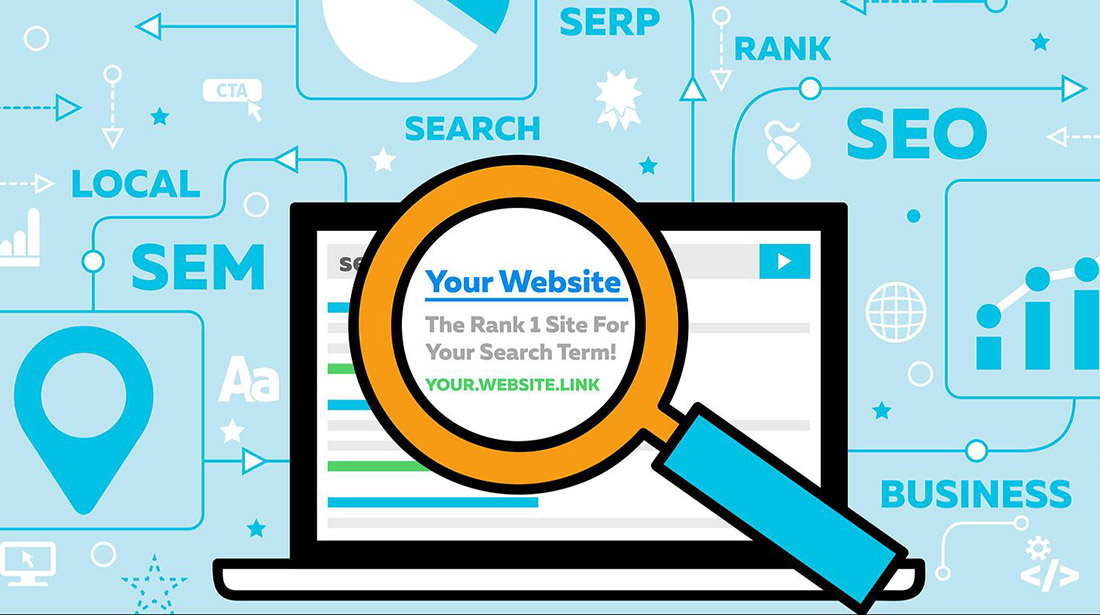
In the competitive landscape of global trade, Google SEO has long been hailed as a cornerstone of export website promotion. However, relying solely on search engine optimization leaves businesses vulnerable to algorithm changes, rising competition, and limited reach to high-intent buyers. For export-oriented companies aiming to diversify traffic sources, boost qualified leads, and build sustainable international visibility, expanding beyond Google SEO is not just an option—it’s a strategic necessity.
This guide outlines three proven, actionable methods to promote your export website without relying on Google’s search results. From leveraging B2B marketplace synergies to harnessing social media ecosystems and forging industry partnerships, these approaches complement SEO while opening new avenues to connect with global buyers, drive website traffic, and increase export sales.
Way 1: Synergize with B2B Marketplaces to Drive Targeted Traffic
B2B marketplaces like Alibaba, Made-in-China, Global Sources, and Amazon Business are not just competitors to your export website—they’re powerful platforms to amplify your online presence and funnel high-quality traffic to your site. These marketplaces already attract millions of active importers, procurement managers, and business buyers worldwide, offering a built-in audience of qualified prospects.
1.1 Optimize Marketplace Listings to Redirect to Your Website
The key to success lies in creating compelling marketplace profiles that showcase your brand’s value while guiding buyers to your export website for deeper engagement.
Complete your profile thoroughly: Fill in all business details, including core products, export experience, certifications (ISO, CE, FDA), production capacity, and contact information. Use high-resolution images of products, factories, and packaging to build trust.
Incorporate strategic CTAs: In product descriptions, company overviews, and contact sections, include clear calls-to-action that encourage buyers to visit your website. Examples: “Explore our full product range on our official export site,” “Download the complete catalog at [Website URL],” or “Contact our export team directly via our website for customized quotes.”
Highlight unique selling points (USPs): Differentiate your brand by emphasizing advantages like OEM/ODM capabilities, low MOQ, fast delivery times, or exclusive partnerships. Make buyers curious enough to visit your website for more details.
Use consistent branding: Ensure your marketplace profile uses the same logo, brand colors, and tone as your export website. Consistency builds recognition and reinforces trust.
For example, a manufacturer of eco-friendly packaging on Alibaba could include a line like: “Discover our full range of biodegradable packaging solutions and request a custom sample via our official export website—designed exclusively for international buyers.”
1.2 Leverage Marketplace Traffic for Lead Nurturing
Marketplace inquiries often come from buyers in the early stages of the purchasing journey. Use these interactions to direct them to your export website for more personalized engagement:
When responding to marketplace inquiries, include a link to your website’s relevant product page or a landing page with additional resources (e.g., technical specifications, case studies).
Offer exclusive content on your website (e.g., whitepapers on sustainable sourcing, video tours of your factory) that’s only accessible to buyers who provide their contact information.
Use marketplace reviews and ratings to build credibility, then invite satisfied customers to share their experiences on your website—strengthening social proof for future visitors.
1.3 Participate in Marketplace Promotions and Events
Many B2B marketplaces host virtual trade shows, product showcases, and promotional campaigns that can boost your visibility. Use these opportunities to drive traffic to your export website:
Join featured supplier programs or premium listings that give your profile more exposure. Include your website link prominently in these enhanced listings.
Participate in marketplace-sponsored webinars or live product demonstrations. Promote your export website as a resource for follow-up questions and detailed information.
Offer exclusive discounts or limited-time offers to buyers who complete purchases or inquiries through your website—using the marketplace to drive initial interest.
Way 2: Harness Social Media Ecosystems for Global Reach
While Google SEO targets buyers actively searching for your products, social media allows you to proactively reach potential customers, build brand awareness, and drive targeted traffic to your export website. Platforms like LinkedIn, Facebook, Instagram, and Pinterest offer unique advantages for export promotion—each catering to different buyer personas and engagement styles.
2.1 LinkedIn: Target B2B Decision-Makers Directly
LinkedIn is the gold standard for B2B export promotion, as it connects you directly with procurement managers, import directors, and business owners worldwide.
Optimize your company page: As discussed in previous guides, a well-optimized LinkedIn Company Page acts as a digital storefront. Include a prominent link to your export website, highlight your export capabilities, and showcase products with links to relevant site pages.
Create value-driven content: Share industry insights, market trends, case studies, and how-to guides that resonate with global buyers. For example, a textile exporter could post: “5 Key Considerations for Sourcing Sustainable Fabrics in 2024” with a link to their website’s sustainable product line.
Engage with industry groups: Join LinkedIn groups focused on import-export, global sourcing, and your target industries. Participate in discussions, answer questions, and share valuable content—avoiding overt self-promotion. When relevant, mention your export website as a resource.
Use LinkedIn Ads for precision targeting: Run sponsored content or message ads to target buyers by country, industry, job title, and company size. Direct ad traffic to dedicated landing pages on your export website (e.g., a page for OEM inquiries or bulk orders).
2.2 Facebook & Instagram: Visual Storytelling for Product-Centric Brands
Facebook and Instagram excel at visual engagement, making them ideal for exporters of consumer goods, home products, apparel, and other visually appealing items.
Build a professional business page: Use high-quality product images, factory videos, and brand stories to showcase your offerings. Include a “Visit Website” CTA button and link to your export site in every post.
Leverage short-form video content: Create Reels or Stories that highlight product features, production processes, or customer testimonials. For example, a furniture exporter could share a 60-second video of their factory’s quality control process, ending with: “See our full collection and request a quote on our export website.”
Join and engage in trade groups: Facebook has thousands of groups for importers, wholesalers, and global traders. Share valuable tips (e.g., “How to Navigate Customs for Furniture Imports”) and subtly direct group members to your website for more information.
Run targeted ads: Use Facebook’s advanced targeting to reach buyers in your target markets. Create ad campaigns focused on website traffic, directing users to landing pages optimized for conversions (e.g., product catalog downloads or inquiry forms).
2.3 Pinterest: Drive Long-Term Traffic for Niche Products
Pinterest is a highly underutilized platform for export promotion, yet it’s perfect for niche products like handcrafted goods, industrial parts, or specialized equipment. Users on Pinterest often search for products with long-term purchase intent, making it a valuable source of sustained traffic.
Create keyword-rich pins: Design visually appealing pins with text overlays that include relevant keywords (e.g., “Stainless Steel Industrial Valves for Export” or “Handmade Ceramic Tableware for Global Buyers”). Link each pin directly to your export website’s product page.
Organize boards by product category or market: Create boards like “Export-Grade Machinery Parts” or “Sustainable Home Goods for European Buyers” to help buyers find your products easily.
Collaborate with industry influencers: Partner with Pinterest influencers in your niche to promote your products. Have them link back to your export website in their pins and descriptions.
Way 3: Forge Industry Partnerships and Offline-to-Online Bridges
Building strategic partnerships and leveraging offline opportunities can drive high-quality, trusted traffic to your export website—often with lower competition than digital channels alone. These methods tap into existing networks and build credibility through third-party endorsements.
3.1 Partner with Complementary Businesses
Collaborate with businesses that serve the same target audience but offer non-competing products or services. This mutually beneficial strategy expands your reach and provides value to both parties’ customers.
Identify potential partners: Look for companies like logistics providers, customs brokers, packaging suppliers, or trade consultants that work with global importers. For example, a food exporter could partner with a refrigerated shipping company.
Create co-branded content: Develop guides, webinars, or case studies that address common challenges for your target buyers. For example, “The Complete Guide to Exporting Food Products: From Production to Delivery” co-created with a logistics partner. Host the content on your export website and promote it through both partners’ channels.
Exchange website links: Include a “Trusted Partners” section on your export website with links to your partners’ sites, and ask them to do the same. This not only drives traffic but also improves your website’s domain authority (a bonus for SEO).
Referral programs: Offer incentives to partners who refer buyers to your website. For example, a 5% commission on orders from referred customers or a discount on future services.
3.2 Participate in Trade Shows and Industry Events (Offline & Virtual)
Trade shows—whether in-person or virtual—are prime opportunities to connect with global buyers face-to-face and drive them to your export website for follow-up.
Prepare a strong booth presence: For in-person shows, design a booth that prominently displays your export website URL. Use QR codes on product samples, brochures, and business cards that link directly to your site. Collect contact information from visitors and follow up with a personalized email containing a link to your website’s relevant pages.
Host virtual booths and webinars: For virtual trade shows, create an interactive booth with product videos, downloadable catalogs, and a live chat feature. Direct attendees to your export website to complete inquiries or request samples.
Speak at industry events: Position yourself as an expert by speaking at trade shows or industry conferences. Share insights on topics like “Navigating Global Supply Chains” or “Trends in Sustainable Exporting.” Promote your export website as a resource for attendees to learn more or connect with your team.
3.3 Collaborate with Trade Associations and Government Bodies
Trade associations and government export promotion agencies (EPAs) offer valuable resources and networks to help exporters reach global markets.
Join industry trade associations: Organizations like the International Trade Council, local chamber of commerce, or industry-specific associations (e.g., the American Apparel and Footwear Association) often have directories where you can list your export website. Many also host networking events and online platforms to connect exporters with buyers.
Leverage government export programs: Most countries have EPAs (e.g., the U.S. Commercial Service, UK Export Academy) that provide free or low-cost resources for exporters. These agencies often feature trusted exporters on their websites, driving qualified traffic to your export site. They may also organize trade missions or buyer matchmaking events where you can promote your website.
Participate in certification programs: Many trade associations offer industry certifications that build credibility. Display these certifications on your export website and promote them through association channels—attracting buyers who prioritize trusted suppliers.
Conclusion
While Google SEO remains an important part of export website promotion, relying on it exclusively limits your growth potential in the global market. By embracing B2B marketplace synergies, social media ecosystems, and strategic industry partnerships, you can diversify your traffic sources, reach high-intent buyers, and build a resilient online presence.
Each of these three methods offers unique advantages: B2B marketplaces provide access to a built-in audience of global buyers, social media allows for proactive engagement and brand building, and industry partnerships drive trusted, high-quality traffic through third-party endorsements. When combined, they create a comprehensive promotion strategy that complements SEO and positions your export website for long-term success.
The key to success lies in consistency, value, and alignment with your target buyers’ needs. Whether you’re redirecting marketplace inquiries to your site, sharing valuable content on social media, or forging partnerships with industry leaders, always focus on providing value first—and guiding buyers to your export website as the next step in their purchasing journey. With these strategies in place, you’ll reduce your reliance on Google, expand your global reach, and drive sustainable growth for your export business.
Notice: The content of the above works (including video, pictures or audio) is uploaded and published by GuTon's enterprise users, and this platform only provides information storage space services.