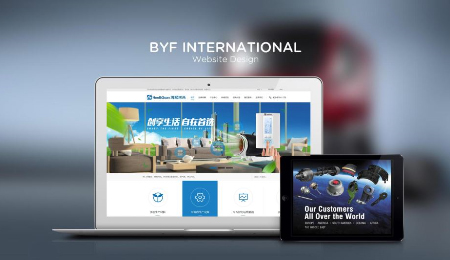
In the digital era of global commerce, a well-designed trade website paired with targeted marketing strategies has become the cornerstone of international business growth. As third-party platform fees soar and competition intensifies, businesses—especially small and medium-sized enterprises (SMEs)—are shifting from relying solely on marketplaces to building owned digital assets. A global trade website serves not just as a product showcase, but as a 24/7 international sales representative, brand ambassador, and customer engagement hub. When integrated with data-driven marketing tactics, it creates a powerful ecosystem that drives lead generation, builds cross-border trust, and transforms browsers into long-term buyers.
The Strategic Foundation: Building a High-Performance Global Trade Website
A successful global trade website is built on three core pillars: user-centric design, localization excellence, and conversion-focused functionality. Unlike generic business websites, trade-focused platforms must address the unique needs of international buyers—from detailed product specifications to cross-border logistics transparency.
1. Platform Selection for Long-Term Scalability
Choosing the right 建站 platform is critical for sustained growth. WordPress (.org) has emerged as the gold standard for B2B global trade websites, thanks to its unmatched customization, SEO friendliness, and scalability . Unlike template-limited platforms like Shopify, WordPress allows full control over design and functionality, enabling businesses to tailor pages to industry-specific needs—whether showcasing technical parameters for industrial machinery or compliance certifications for medical devices. Its compatibility with plugins like Yoast SEO and Elementor simplifies optimization and design, while support for CRM and ERP integrations ensures the site can grow with business needs. For global reach, selecting reliable hosting (e.g., SiteGround, Cloudways) and implementing a CDN (Content Delivery Network) is non-negotiable, as page load speed directly impacts user retention and search rankings.
2. Localization: Beyond Translation
True localization goes far beyond converting text into target languages. It requires adapting content, design, and functionality to align with cultural preferences and user behaviors. This includes hiring native speakers to avoid machine translation errors, optimizing for local search engines (e.g., Yandex for Russia, Baidu for China), and tailoring visual elements—such as color schemes and imagery—to resonate with regional audiences . For example, a website targeting Middle Eastern markets should offer Arabic language support with right-to-left navigation, while European-focused sites must highlight CE certifications and sustainability credentials. Currency converters, region-specific payment gateways, and clear shipping information for key markets further reduce friction for international buyers.
3. Conversion-Optimized Design
The ultimate goal of a global trade website is to drive inquiries and sales. To achieve this, design must prioritize clarity and action. Key elements include:
Unique Selling Proposition (USP) prominence: Use 对比图表,product demos, and customer testimonials to highlight competitive advantages upfront.
Trust signals: Display industry certifications, factory images, partner logos, and case studies to build credibility—critical for cross-border transactions .
Intuitive CTAs: Place prominent, action-oriented buttons (e.g., “Request a Quote,” “Download Catalog,” “Live Chat”) across all pages, and integrate multiple contact channels (WhatsApp, Messenger, email) to accommodate global communication preferences.
Mobile optimization: With over 60% of international B2B searches occurring on mobile devices, responsive design is mandatory to avoid losing potential leads.
Multichannel Marketing: Driving Targeted Traffic to Your Global Trade Website
A high-performance website is only effective if potential buyers can find it. 2026’s most successful global trade marketing strategies combine long-term organic growth with short-term targeted campaigns to create a sustainable traffic pipeline.
1. SEO: The Foundation of Organic Visibility
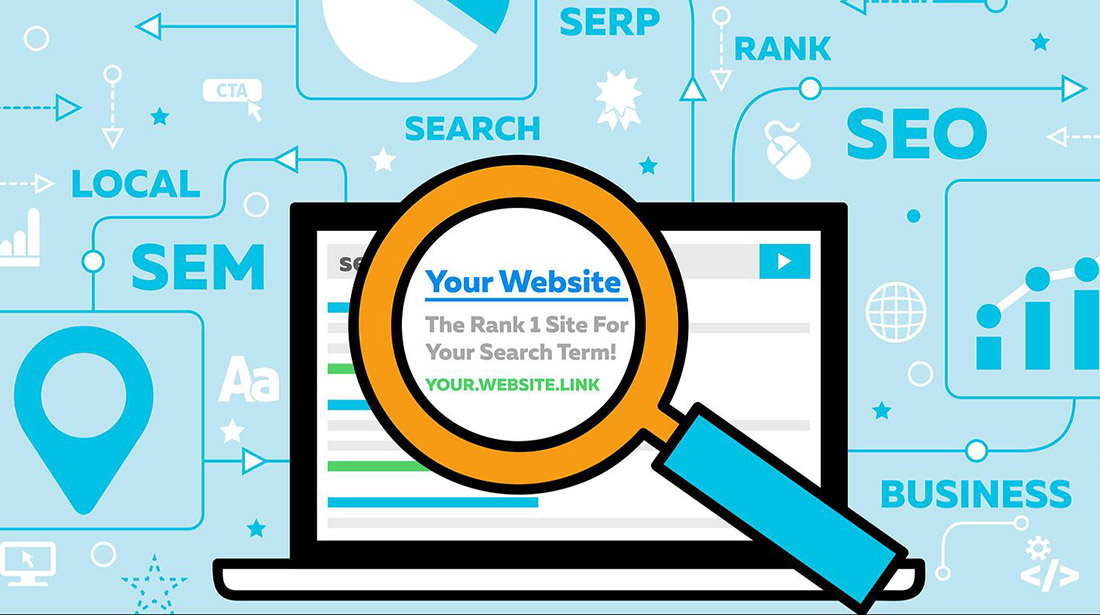
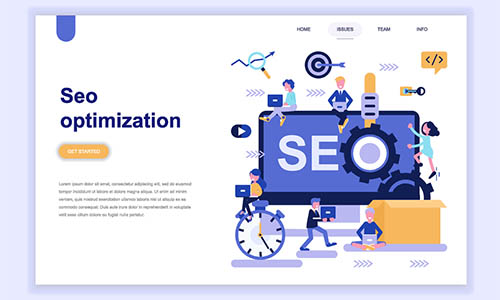
Search Engine Optimization (SEO) remains the most cost-effective way to generate consistent, high-quality leads. For global trade websites, Google SEO is paramount, with a focus on:
Keyword research: Identify high-intent, low-competition keywords (e.g., “UL Certified Solar Lights for USA” or “Custom Machinery Parts Europe”) using tools like Google Keyword Planner and Ahrefs .
Content marketing: Publish regular, value-driven content—such as industry guides, compliance updates, and technical tutorials—that addresses buyer pain points. For example, a furniture exporter might create “European Import Regulations for Wooden Furniture” to attract qualified leads.
Technical optimization: Ensure fast page speeds, secure SSL connections, and mobile-friendliness, as these factors directly influence search rankings. Regularly monitor performance via Google Search Console to refine strategies.
2. Paid Advertising: Accelerating Lead Generation
Paid channels complement SEO by delivering immediate visibility to high-intent audiences. Key tactics include:
Search engine ads: Run Google Ads campaigns targeting transactional keywords in core markets, with ad copy highlighting unique selling points like fast shipping or custom solutions .
Social media advertising: B2C exporters thrive on TikTok and Facebook ads showcasing product use cases, while B2B businesses gain traction with LinkedIn campaigns targeting procurement managers and industry professionals .
Retargeting: Re-engage visitors who left the website without converting using display ads or social media retargeting, reinforcing brand awareness and encouraging return visits.
3. Low-Cost, High-Impact Channel Expansion
For budget-constrained SMEs, several cost-effective channels deliver significant ROI:
Email marketing: Send personalized development emails to leads from trade shows or customs data, with tailored content highlighting product benefits for specific markets . Segment audiences by region or industry to improve open rates.
Social media organic growth: Share product demos, customer success stories, and industry insights on platforms like LinkedIn and TikTok to build a loyal following. Engage with industry groups to establish thought leadership.
Online trade shows: Participate in digital expos (e.g., Canton Fair Digital Platform) to connect with buyers without the cost of physical attendance. Virtual booths with 3D product displays and one-on-one video meetings drive qualified inquiries .
Data-Driven Optimization: Turning Traffic into Conversions
The final piece of the puzzle is continuous optimization based on user data. Successful global trade marketers track key metrics—including bounce rate, time on site, and conversion rate—using tools like Google Analytics to identify bottlenecks.
1. Analyzing User Behavior
Understand how international visitors interact with your website: Which pages have the highest exit rates? Which CTAs are most effective? For example, if European visitors frequently abandon checkout due to unclear shipping costs, adding a region-specific shipping calculator can reduce friction.
2. A/B Testing for Continuous Improvement
Test different elements of your website and marketing campaigns to optimize performance. This might include comparing CTA button colors, product page layouts, or email subject lines to see what resonates best with target audiences.
3. Building Long-Term Customer Relationships
Global trade success relies on trust and consistency. Use your website to nurture leads post-inquiry with personalized follow-ups, exclusive content, and loyalty programs. Integrate a CRM system to track customer interactions and tailor communication to their needs, turning one-time buyers into repeat clients.
Conclusion
In 2026’s competitive global trade landscape, a well-executed website and marketing strategy are no longer optional—they are essential for survival and growth. By building a localized, conversion-optimized website and leveraging a mix of SEO, paid advertising, and low-cost channels, businesses of all sizes can break free from third-party platform constraints, reach qualified international buyers, and build sustainable global brands.
The key to success lies in alignment: your website must deliver on the promises made in marketing campaigns, and your marketing must drive the right audience to your site. By focusing on user experience, localization, and data-driven optimization, global trade businesses can turn their digital presence into a powerful revenue generator—one that transcends borders and fuels long-term international success.
Notice: The content of the above works (including video, pictures or audio) is uploaded and published by GuTon's enterprise users, and this platform only provides information storage space services.