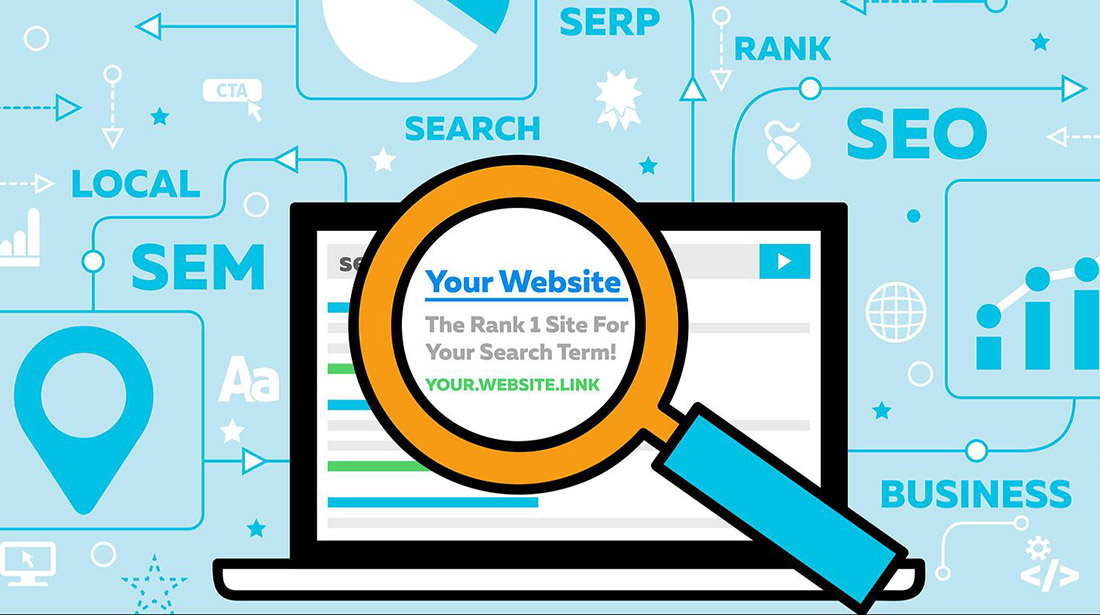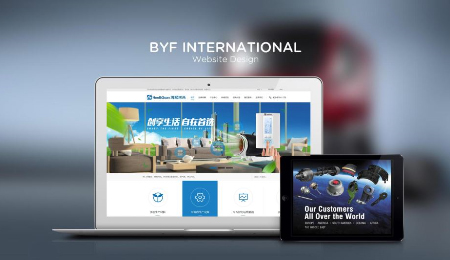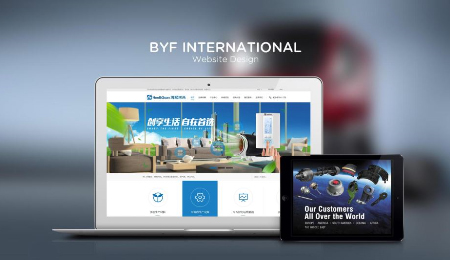
In today’s borderless business landscape, export websites and targeted marketing services have become essential for businesses aiming to expand globally. Unlike generic business sites, export-focused platforms must address cross-border-specific needs—from multilingual communication to compliance transparency—while marketing services need to resonate with diverse global audiences. Together, they form a digital ecosystem that bridges geographical gaps, builds cross-cultural trust, and drives consistent international sales, helping exporters navigate 2026’s competitive global trade environment.
Building an Export-Focused Website: The Digital Foundation
An effective export website is more than a showcase—it’s a 24/7 international sales hub and trust-building tool, designed to solve global buyers’ unique pain points.
Key core features include multilingual and cultural localization: Translate content into target market languages using native speakers to avoid cultural missteps—formal tone for Japanese markets, concise messaging for Western buyers. Incorporate region-specific design elements: right-to-left navigation for Arabic-speaking countries, localized imagery, and real-time currency converters (USD, EUR, GBP).
Cross-border functionalities are non-negotiable: Integrate international payment gateways (PayPal, Stripe, Alipay Global) and clarify shipping logistics—delivery times, carrier options (DHL, FedEx, sea freight), and import duty estimates. Add a “Document Center” with downloadable commercial invoices, packing lists, and compliance certificates (CE, FDA, ISO) to streamline buyer workflows.
Trust signals are critical for global buyers: Prominently display export experience (e.g., “Serving 50+ Countries”), international client testimonials, and trade show participation. Embed VR factory tours and 24/7 multilingual live chat to reduce distance-related uncertainty. Ensure mobile responsiveness—68% of international B2B buyers use mobile devices for supplier research—and leverage CDNs (Cloudflare, Akamai) for fast global load times, optimizing for low-bandwidth emerging markets.
Technically, WordPress (.org) remains the top platform for its flexibility with multilingual plugins (WPML, Polylang) and export tool integrations. For resource-constrained SMEs, vertical SaaS platforms like 2Cshop offer pre-built export functionalities. Implement international SEO best practices: region-specific subdirectories, hreflang tags, and optimization for local search engines (Yandex for Russia, Baidu for China). Prioritize data security with GDPR-compliant forms and PCI DSS certification for payments.
Export Marketing Services: Targeting Global Audiences
Export marketing requires deep market insights and cross-cultural expertise, focusing on qualified leads in specific regions rather than generic traffic.
International SEO is foundational: Target high-intent keywords (e.g., “Chinese LED exporter to Germany,” “organic cotton supplier for US brands”) using tools like Ahrefs. Create market-specific content—e.g., “EU Textile Import Regulations 2026”—to rank for local search queries.
Paid advertising with geographic targeting drives immediate results: Run Google Ads segmented by region, scheduled during target time zones. Use LinkedIn Ads for B2B decision-makers (e.g., “North American Automotive Buyers”) and Facebook/Instagram Ads for B2C export products.
Content marketing must resonate globally: Develop multilingual resources addressing regional pain points—guides on local compliance or video tutorials with subtitles. Distribute via local industry forums, trade association sites, and region-specific social platforms (WeChat for China, VK for Russia).
Trade show integration amplifies reach: Promote websites at physical/virtual expos (Canton Fair, Hannover Messe) with QR codes linking to targeted landing pages. Partner with international trade organizations (ITA, CCPIT) for co-branded initiatives that boost credibility.
SMEs benefit from specialized export marketing agencies offering market research, native-language content creation, cross-border campaign management, and customized analytics tracking lead origin, conversion rates, and regional ROI.
Key Trends for 2026
Several trends are reshaping export website and marketing strategies: AI-powered localization tools (DeepL Write) reduce translation costs by 30% while enhancing cultural relevance. Sustainability-focused marketing—highlighting carbon-neutral shipping or recycled materials—meets ESG demands in EU and North American markets. Social commerce integration (TikTok Shop for Southeast Asia, Instagram Shopping for the West) enables direct purchases from social traffic. AI-driven data analysis identifies high-potential markets, helping exporters prioritize resources.
Conclusion
An optimized export website paired with tailored marketing services is no longer optional but a necessity for global growth. The website builds trust and facilitates cross-border transactions, while marketing drives targeted traffic from high-potential markets. The key is localized experiences, not one-size-fits-all solutions. For exporters—whether SMEs entering new markets or established brands expanding their footprint—this combination delivers expanded reach, qualified leads, and sustainable international success, turning geographical barriers into opportunities.
“特别声明:以上作品内容(包括在内的视频 图片或音频)为国通网旗下企业用户上传并发布 本平台仅提供信息存储空间服务。
Notice: The content of the above works (including video, pictures or audio) is uploaded and published by GuTon's enterprise users, and this platform only provides information storage space services.
Notice: The content of the above works (including video, pictures or audio) is uploaded and published by GuTon's enterprise users, and this platform only provides information storage space services.