In the complex and fast-evolving global trade landscape of 2026, businesses—especially small and medium-sized enterprises (SMEs)—face mounting challenges: fragmented supply chains, ever-changing regulatory requirements, cross-border communication barriers, and the high cost of managing multiple service providers. Against this backdrop, the “one stop foreign trade solution” has emerged as a transformative model, integrating end-to-end services across the entire export-import lifecycle. By consolidating logistics, compliance, website building, marketing, finance, and after-sales support into a single platform, this solution eliminates inefficiencies, reduces risks, and empowers businesses to focus on core competencies while expanding globally with confidence.
What Defines a Comprehensive One Stop Foreign Trade Solution?
A true one stop foreign trade solution is more than a bundled service—it’s a strategic partnership that addresses every pain point of cross-border commerce. Unlike traditional models where exporters juggle freight forwarders, customs brokers, web developers, and marketing agencies, this integrated approach offers a unified point of contact and seamless workflow.
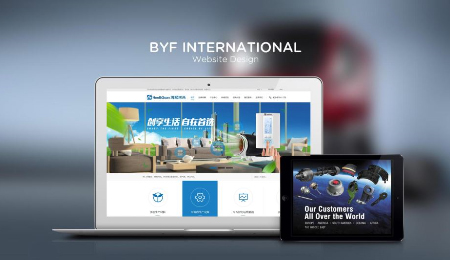
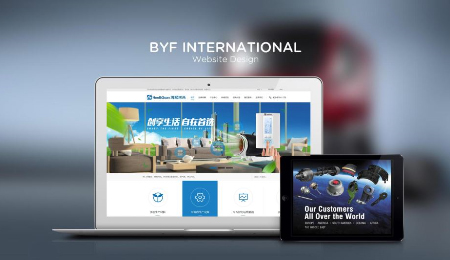
At its core, it encompasses six key pillars: digital presence building (export website development, localization, and SEO), logistics and supply chain management (multimodal transportation, warehousing, and last-mile delivery), regulatory compliance (customs documentation, certification support, and data privacy adherence), financial services (trade financing, currency exchange, and payment processing), marketing and lead generation (targeted global campaigns, B2B platform integration, and customer relationship management), and after-sales support (multilingual customer service and dispute resolution).
For example, an SME exporting electronics can leverage a one stop solution to build a multilingual, GDPR-compliant website, access pre-negotiated shipping rates with global carriers, obtain CE certification, secure export financing, run LinkedIn ads targeting procurement managers in Europe, and resolve post-delivery technical queries—all through a single provider. This integration eliminates communication gaps, reduces administrative burdens, and creates transparency across every stage of the trade process.
Core Advantages for Global-Focused Businesses
The value of a one stop foreign trade solution lies in its ability to streamline operations, mitigate risks, and drive cost efficiency—critical for businesses competing in global markets.
First, time and resource savings are substantial. SMEs often lack dedicated teams for trade compliance, logistics coordination, or international marketing. A one stop provider handles these complex tasks with specialized expertise, freeing up businesses to focus on product development and market expansion. Research shows that companies using integrated trade solutions reduce administrative workload by 40% and shorten time-to-market by 30% compared to managing multiple vendors.
Second, risk reduction is a key differentiator. Global trade involves inherent risks—customs delays due to incorrect documentation, financial losses from currency fluctuations, or non-compliance penalties. One stop providers leverage their industry knowledge and global networks to anticipate and mitigate these risks: they stay updated on regulatory changes (e.g., EU REACH, US FDA requirements), offer cargo insurance and credit protection, and ensure website compliance with regional data laws. This peace of mind is invaluable for businesses new to international trade or expanding into high-risk markets.
Third, cost optimization is achieved through economies of scale. One stop providers negotiate bulk rates with carriers, payment gateways, and marketing platforms, passing savings on to clients. For example, logistics costs can be reduced by 20-25% through consolidated shipping, while marketing expenses are minimized by targeting high-intent audiences based on the provider’s market insights. Additionally, the elimination of duplicate fees and administrative overhead further improves profitability.
Finally, scalability is enabled by flexible service models. As businesses grow into new markets, one stop solutions adapt to changing needs—whether adding new languages to a website, expanding logistics coverage to Southeast Asia, or navigating complex certification requirements for medical devices. This agility allows SMEs to compete with larger corporations without the need for significant upfront investment.
Trends Shaping the Future of One Stop Trade Solutions
In 2026, several key trends are elevating one stop foreign trade solutions to new levels of efficiency and customization.
Digital transformation remains a driving force, with AI and automation playing increasingly prominent roles. Providers are integrating AI-powered tools for demand forecasting, automated customs documentation, and personalized marketing campaigns. For instance, AI algorithms analyze global import data to identify high-potential markets, while chatbots handle multilingual customer queries 24/7. Blockchain technology is also gaining traction, enabling secure, tamper-proof tracking of shipments and transactions—critical for building trust in cross-border trade.
Sustainability is another growing focus. As global consumers and regulators prioritize eco-friendly practices, one stop solutions are incorporating carbon-neutral shipping options, sustainable packaging resources, and ESG compliance reporting. This not only helps businesses meet market demands but also enhances brand reputation in regions like the EU, where carbon footprint disclosure is becoming mandatory.
Furthermore, regional specialization is emerging as a key trend. Top providers now offer tailored solutions for specific markets—e.g., navigating China’s cross-border e-commerce regulations, addressing Middle Eastern cultural preferences in marketing, or simplifying Brexit-related customs procedures for UK trade. This localized expertise ensures businesses receive relevant, market-specific support rather than generic services.
Conclusion
In 2026’s competitive global trade environment, a one stop foreign trade solution is no longer a convenience but a strategic necessity. By integrating digital presence, logistics, compliance, finance, marketing, and support into a unified platform, it empowers businesses of all sizes to overcome cross-border barriers, reduce risks, and unlock global growth. For SMEs, in particular, it levels the playing field by providing access to resources and expertise that were once only available to large corporations.
As technology advances and market demands evolve, one stop solutions will continue to adapt—offering more personalized, efficient, and sustainable services. Businesses that embrace this integrated model will not only streamline their operations but also build resilient, agile global operations that thrive in an increasingly interconnected world. In essence, a one stop foreign trade solution is more than a service—it’s a pathway to sustainable international success.
“特别声明:以上作品内容(包括在内的视频 图片或音频)为国通网旗下企业用户上传并发布 本平台仅提供信息存储空间服务。
Notice: The content of the above works (including video, pictures or audio) is uploaded and published by GuTon's enterprise users, and this platform only provides information storage space services.
Notice: The content of the above works (including video, pictures or audio) is uploaded and published by GuTon's enterprise users, and this platform only provides information storage space services.