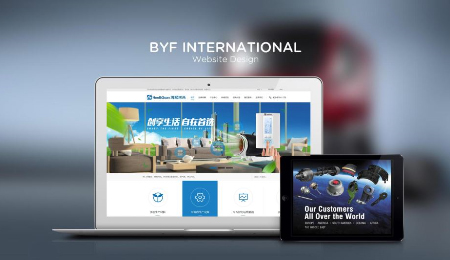
In the dynamic world of export business, your website is more than just a digital presence—it’s your 24/7 global sales representative, brand showcase, and gateway to international buyers. Today’s global clients browse suppliers on a wide range of devices, from smartphones and tablets to laptops and desktop computers, across diverse regions and internet conditions. An adaptive website for export business is designed to adjust intelligently to these variables: it optimizes layout, content, and performance based on the user’s device, screen size, and internet speed, ensuring a smooth, professional experience for every potential buyer—no matter where they are or how they access your site. For exporters, manufacturers, and trading companies, this adaptability is not just a convenience; it’s a critical factor in winning global inquiries, building trust, and driving sustainable export growth.
Unlike static or rigid websites that struggle to perform across different devices, an adaptive export website is built with the unique needs of cross-border business in mind. It combines flexibility, speed, and user-centric design to meet the expectations of global buyers, who demand easy access to product information, clear contact options, and a seamless browsing experience—regardless of their device. In an era where first impressions make or break business opportunities, an adaptive website ensures your export business puts its best foot forward, every time.
Why Adaptive Design Is Non-Negotiable for Export Businesses
Export businesses operate in a global marketplace where buyers are diverse, geographically dispersed, and increasingly mobile. A non-adaptive website—one that works well on desktop but is clunky, unreadable, or slow on mobile—will drive potential buyers away to competitors. Here’s why adaptive design is essential for export success:
1. Global Buyers Are Mobile-First
Over 65% of global search traffic for export products comes from mobile devices. International buyers often research suppliers on the go—during business trips, trade shows, or after work hours—using smartphones or tablets. An adaptive website ensures text is readable, buttons are easy to tap, product images are clear, and inquiry forms are simple to complete, even on small screens. This keeps buyers engaged and increases the likelihood of them sending an inquiry or contacting your team.
2. Adapts to Diverse Internet Conditions
Export markets span regions with varying internet speeds—from high-speed connections in Europe and North America to slower networks in emerging markets like Southeast Asia or Africa. An adaptive website adjusts its performance based on internet speed: it compresses images, minimizes loading time, and prioritizes essential content (product details, contact information) in areas with weak connectivity. This ensures your website remains accessible to buyers in all your target markets, not just those with fast internet.
3. Boosts Google Rankings & Visibility
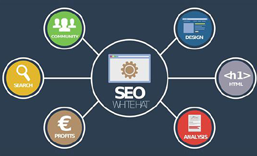
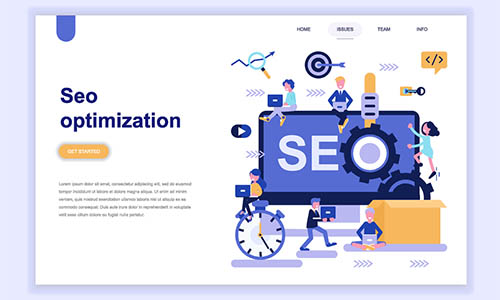
Google prioritizes user experience in its ranking algorithm, and adaptability (especially mobile-friendliness) is a key factor. An adaptive website improves your SEO performance, helping your export business rank higher in Google search results when global buyers search for your products. Higher rankings mean more organic traffic, more qualified leads, and more export inquiries—all without additional advertising costs.
4. Builds Trust & Professionalism
Global buyers judge your export business’s credibility based on your website. A messy, unresponsive site gives the impression of an unprofessional, outdated company. In contrast, an adaptive website—with its consistent, polished experience across all devices—signals that you are a reliable, forward-thinking supplier serious about global business. This trust is critical for cross-border transactions, where buyers cannot visit your factory in person.
5. Simplifies Global Market Expansion
As your export business expands into new regions, an adaptive website scales with you. It supports multiple languages, adapts to local browsing habits, and works seamlessly on the devices most popular in each market (e.g., smartphones in Southeast Asia, desktops in Western Europe). This eliminates the need to build separate websites for different regions or devices, saving time and reducing long-term costs.
Key Features of a High-Performance Adaptive Website for Export Business
An effective adaptive website for export business is more than just “mobile-friendly”—it’s designed to solve the unique challenges of cross-border trade. Key features include:
1. Device-Aware Layout & Navigation
The website automatically adjusts its layout based on the user’s device: a full, detailed layout for desktops, a simplified, easy-to-navigate layout for mobile devices. Menus collapse into hamburger icons, product categories are streamlined, and key information (contact details, inquiry forms) is prominently displayed on all screens.
2. Fast Global Loading Speed
Optimized code, compressed images, and adaptive content delivery ensure fast loading times worldwide. This is achieved through CDN (Content Delivery Network) integration, which serves content from servers closest to the user, reducing latency and improving performance in all target markets.
3. Clear, Adaptive Product Showcase
Product pages adapt to any screen size, with high-resolution images that resize without losing quality, detailed specifications that are easy to read, and downloadable resources (catalogs, certifications) that work on all devices. Buyers can quickly compare products, view technical details, and access supporting documents—no matter how they browse.
4. Multilingual & Region-Adaptive Content
The website supports multiple languages (English, Spanish, French, German, etc.) and adapts content to regional preferences. For example, it may display region-specific product certifications, local contact information, or currency options—ensuring your content resonates with buyers in each target market.
5. Simplified Inquiry System
Adaptive inquiry forms are optimized for all devices: short, user-friendly fields on mobile, more detailed options on desktop, and touch-friendly buttons for easy submission. Integration with WhatsApp, email, and live chat ensures buyers can contact you quickly, regardless of their device.
6. Trust-Building Elements
Trust signals—such as factory images, certifications (CE, ISO, FDA), customer testimonials, and case studies—are prominently displayed and adapt seamlessly to all screens. This helps global buyers verify your credibility and feel confident in choosing your export business as a supplier.
How an Adaptive Website Boosts Your Export Business
Investing in an adaptive website delivers tangible benefits for export businesses of all sizes:
- Higher Conversion Rates: A seamless user experience across devices reduces friction, encouraging more buyers to submit inquiries or contact your team.
- More Targeted Traffic: Improved SEO rankings bring in qualified global buyers actively searching for your products.
- Wider Market Reach: Access buyers in regions with diverse devices and internet conditions, expanding your global footprint.
- Competitive Advantage: Stand out from export competitors with outdated, non-adaptive websites.
- Cost Efficiency: A single adaptive website eliminates the need to maintain multiple sites for different devices or regions, reducing ongoing costs.
Who Needs an Adaptive Website for Export Business?
An adaptive website is essential for any export-oriented business looking to compete globally, including:
- Manufacturers exporting directly to overseas importers, wholesalers, and distributors
- Trading companies expanding into new international markets
- Startups new to export business, needing to build a professional global presence
- Businesses struggling with low inquiry rates due to a non-adaptive website
- Brands aiming to establish long-term credibility in global markets
Conclusion
In the competitive world of export business, your website is your most powerful digital asset. An adaptive website for export business ensures that no matter how global buyers access your site—whether on a smartphone in Singapore, a tablet in Germany, or a desktop in the United States—they have a smooth, professional experience that builds trust and drives inquiries.
Adaptive design is not just a trend; it’s a necessity for export businesses looking to thrive in a global marketplace. It improves user experience, boosts SEO visibility, expands market reach, and positions your business as a reliable, forward-thinking supplier.
For any export business serious about connecting with global buyers, growing international sales, and achieving long-term success, investing in an adaptive website is one of the most strategic and profitable decisions you can make.
Notice: The content of the above works (including video, pictures or audio) is uploaded and published by GuTon's enterprise users, and this platform only provides information storage space services.